
Since 1999
Managing One of South Africa’s Most Vital Roads
Toll roads were first introduced to South Africa in 1984 as a way to fund and maintain critical transport infrastructure.
The N3 Toll Concession (RF) Proprietary Limited (N3TC) was created to manage one of the country’s most vital routes: the 415km N3 Toll Route, connecting Gauteng and KwaZulu-Natal.
On 2 November 1999, N3TC entered into a 30-year Public-Private Partnership (PPP) with the South African National Roads Agency (SOC) Limited (SANRAL).
This partnership brings private-sector efficiency, funding, and innovation to the corridor — ensuring that one of South Africa’s busiest transport routes remains safe, reliable, and future-ready.
415km. 4 Provinces.
80m tonnes Freight.
1 Route Connecting
South Africa.
415km. 4 Provinces.
80m tonnes Freight.
1 Route Connecting
South Africa.
The Scope of Our Responsibility
Under the terms of the concession contract, N3TC assumes all risks and responsibilities for:
- Designing and upgrading the N3 Toll Route
- Constructing new lanes and infrastructure
- Financing the route through debt and toll collection
- Managing traffic, facilities, and incidents
- Operating and maintaining the road to world-class standards
This means funds raised from toll fees are reinvested into keeping the N3 Toll Route safer, more reliable, and better equipped to meet South Africa’s growing needs.
The Pursuit of Safety, Convenience & Mobility
N3TC is guided by three principles:
Safety
24/7 control centre, rapid response,
road safety campaigns.
Convenience
Efficient toll plazas, real-time updates, user-friendly tools.
Mobility
Smart traffic management, reduced delays, upgraded infrastructure.
Since 1999, these principles have:
Reduced road crashes and travel times
Lowered vehicle operating cost
Enabled business growth and rural development along the corridor
What Do We Really Do? A Roadmap to the Future
The initial construction of a toll road represents only a fraction of the overall concession lifecycle costs. The N3 Toll Route is not a static piece of infrastructure — it is a living, evolving corridor that must keep pace with South Africa’s economic growth, freight demands, and road safety needs —future-proofing a national transport artery.
Engineering and Design
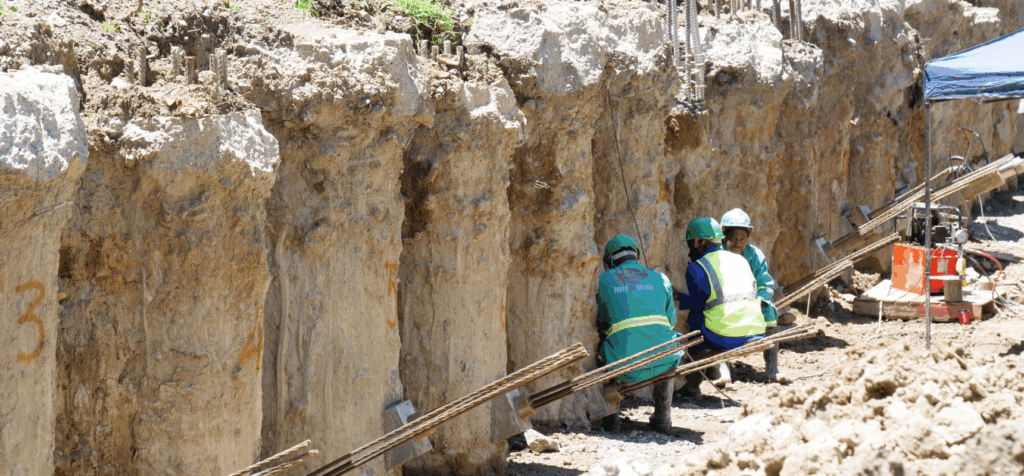
We future-proof the N3 Toll Route by upgrading, rehabilitating, and maintaining the road, essential to mitigating risks and/or damage caused by vehicle overloading, major disruptive incidents, crashes, heavy traffic volumes, chemical spills, fires, public protests, natural disasters, or wear and tear over time.
N3TC’s business strategy is geared towards the upgrade, rehabilitation and ongoing maintenance of the road to meet South Africa’s growing transport demands. Major interventions already implemented include:
- Construction of a four-lane divided carriageway — from Villiers in the Free State to Heidelberg in Gauteng.
- Widening key sections — upgrading two-lane stretches into four-lane undivided carriageways.
- Adding climbing lanes — giving heavy vehicles more space and improving traffic flow on steep gradients.
- Comprehensive resurfacing and rehabilitation — maintaining a smooth, safe surface across the entire route.
- Slope construction and stabilisation — reducing the risk of rockfalls, erosion, and other hazards.
- Bridge maintenance and repairs — ensuring structural integrity and safety for all users.
Road Safety Is Paramount
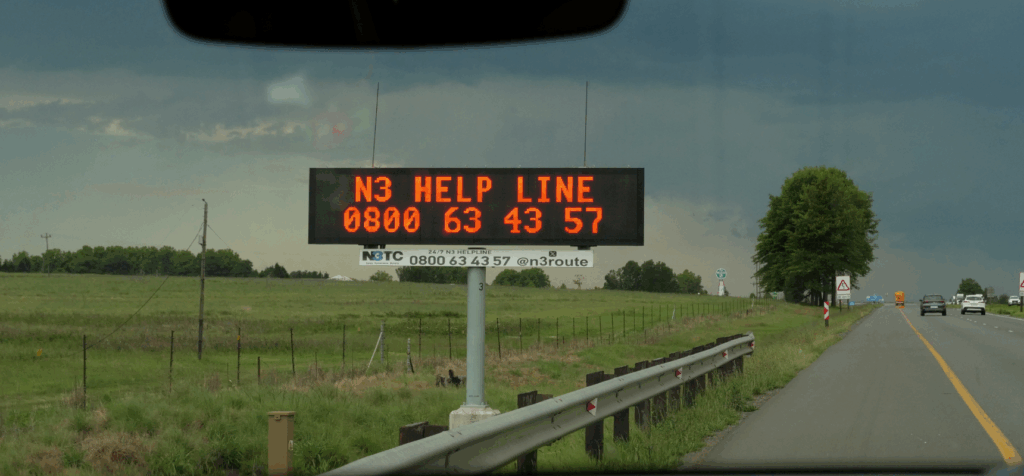
Safety is the foundation of everything N3TC does. By combining engineering, technology, and strong partnerships, we create a layered safety net for road users. This approach reduces risks, prevents crashes, and enables rapid response when incidents occur. Our road safety measures include:
- Building safety management capacity — strengthening systems and skills to prevent and respond to incidents.
- Improving road signage — including early warnings and strategically placed variable message boards along the N3 Toll Route.
- Collecting and analysing traffic data — equipping our management teams to make informed, evidence-based decisions.
- Sharing knowledge and insights — providing high-quality data, information, and expertise to stakeholders and road users.
- Operating a well-established Road Incident Management System (RIMS) — working in partnership with law enforcement, emergency and rescue services, disaster managers, towing operators, crash specialists, humanitarian groups, and volunteers to enhance safety resources along the route.
- Daily monitoring by Route Services teams — trained professionals patrol and monitor the entire 415km corridor, always on the lookout for risks.
- Utilising CCTV surveillance — real-time monitoring of traffic, road, and weather conditions to enable rapid intervention when needed.
- Coordinated incident management — through our Route Control Centre, which works hand-in-hand with on-the-ground Route Services to respond to emergencies.
- Rapid roadside assistance — available 24/7 through the N3 Toll Route Helpline (0800 63 43 57), offering motorists help in breakdowns and emergencies.
- Providing post-crash support — assisting victims of crash incidents with immediate care and follow-up support.
Route Control Centre (RCC)

The RCC is the heartbeat of the N3 Toll Route. Strategically located, it operates as a central hub where all data from the road is gathered, analysed, and used to coordinate responses. From this hub:
- Incidents are detected, tracked, and logged.
- Response teams are dispatched in real time.
- Traffic, weather, and road conditions are monitored continuously.
- Data is used to identify hotspots, predict risks, and improve safety measures.
The RCC forms the backbone of the N3’s Toll Route Road Incident Management System (RIMS), ensuring every decision is guided by accurate, up-to-date intelligence.
Route Services
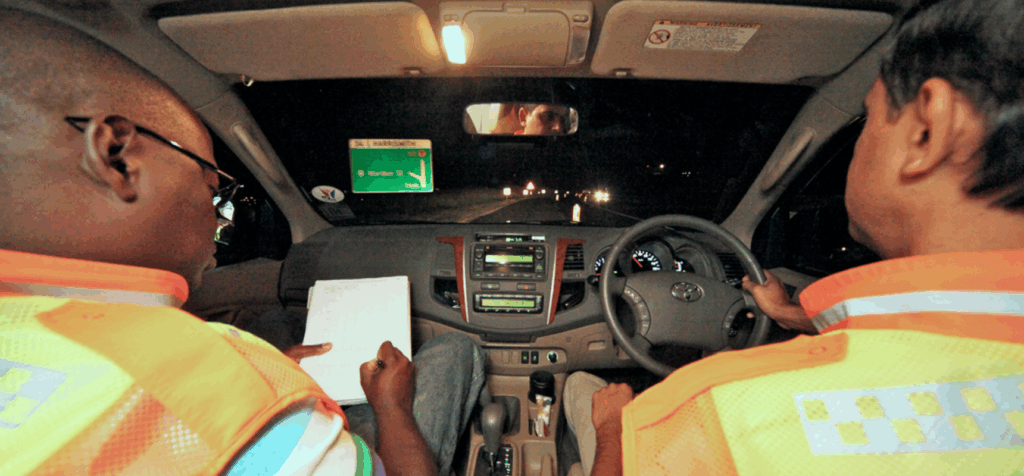
Our Route Services teams are on the road every day — the frontline of N3TC’s commitment to safety. Stationed at basecamps along the corridor, they patrol designated stretches to detect risks and support motorists in need.
Key responsibilities include:
- Assisting at crashes, breakdowns, or incidents that could disrupt traffic.
- Removing hazards such as debris, stray animals, or unsafe vehicles.
- Monitoring over 1.5 million km every year to maintain safety.
- Providing immediate support with vehicles equipped with satellite tracking, dashcams, and state-of-the-art communications.
- Responding with trained skills in basic firefighting, first aid, and hazardous materials handling.
These teams are the human face of N3TC’s promise: you are never alone on the N3 Toll Route.
Road Incident Management System (RIMS)
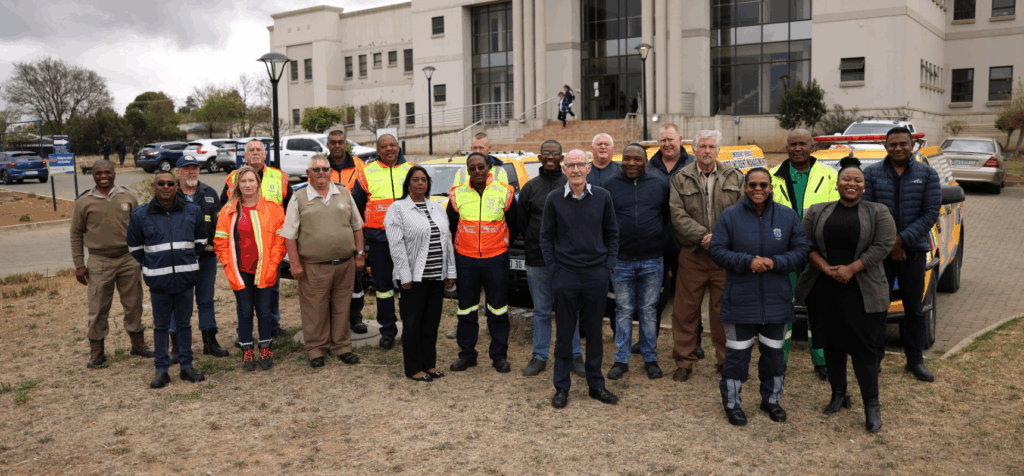
When incidents occur, seconds matter. RIMS ensures that all stakeholders — from SAPS and EMS to towing operators and disaster teams — work together under one clear protocol.
How RIMS works:
- Centralised communication — information flows through the RCC for accuracy and speed.
- On-scene coordination — roles and responsibilities are clearly defined, reducing confusion and delays.
- Post-incident reviews — every incident is analysed to improve efficiency and prevent repeat risks.
RIMS has become a benchmark in South Africa for integrated emergency response, demonstrating the power of collaboration in saving lives and restoring mobility quickly.
Data intelligent Traffic Management
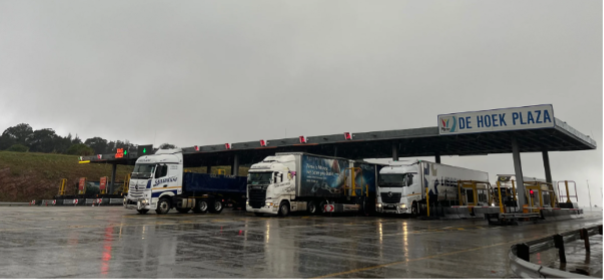
The N3 Toll Route is one of the busiest in South Africa, carrying 11,000–16,000 vehicles daily and up to 30,000 vehicles per day during peak holiday periods.. Heavy vehicles alone account for more than 35% of traffic. To manage this demand, N3TC leverages intelligent transport systems and data-driven insights to:
- Monitor traffic flows and patterns in real time.
- Share verified updates with stakeholders and the public.
- Reduce congestion and delays during peak travel.
- Anticipate risks and prepare mitigation strategies.
This integration of data, technology, and human oversight helps ensure safer, smoother journeys for all road users.
The Power of Partnerships
We don’t work alone. The strength of N3TC lies in its partnerships — across government, law enforcement, emergency services, community organisations, and industry bodies.
Together, these partnerships:
- Strengthen safety and security
- Expand infrastructure and services
- Enable technology and data innovation
- Stimulate economic development and job creation
N3TC has earned two IBTTA Toll Innovation Awards for excellence in tolling and road management.