
When the N3 Toll Concession was launched in 1999, N3TC developed an incident reporting information system (IRIS) to collect, collate and analyse data from incidents occurring on the N3 Toll Route.
Insights based on data collected over more than 26 years underline a stark reality: human factors are the biggest threats to safety, convenience, and mobility on the N3 Toll Route. These factors, including driver distraction, negligence, fatigue, and speeding, are the likely cause of more than 80% of all crashes recorded along the 415km transport corridor from Cedara in KwaZulu-Natal to Heidelberg in Gauteng.
Truck transportation is of vital importance not only to the logistic sector, due to its preference over the struggling rail network, but also to the South African economy at large, due to its role in the import and export of millions of tonnes of goods annually, including that of neighbouring landlocked countries.
Given that trucks constitute approximately 44% of all vehicles travelling on the N3 Toll Route daily, the safety, health and wellness of truck drivers is paramount. Crashes directly impact these individuals and their families, as majority of them are breadwinners, and have dire consequences for the logistics sector, fellow road users and infrastructure.
In addition to demanding work hours and extended periods away from home and loved ones, the trucking community is plagued by the prevalence of HIV/AIDS, TB, malaria, high cholesterol, hypertension, and substance abuse. Undetected or untreated, these debilitating physical and mental health conditions may contribute to a lack of focus, drowsiness, poor judgment, and crashes.
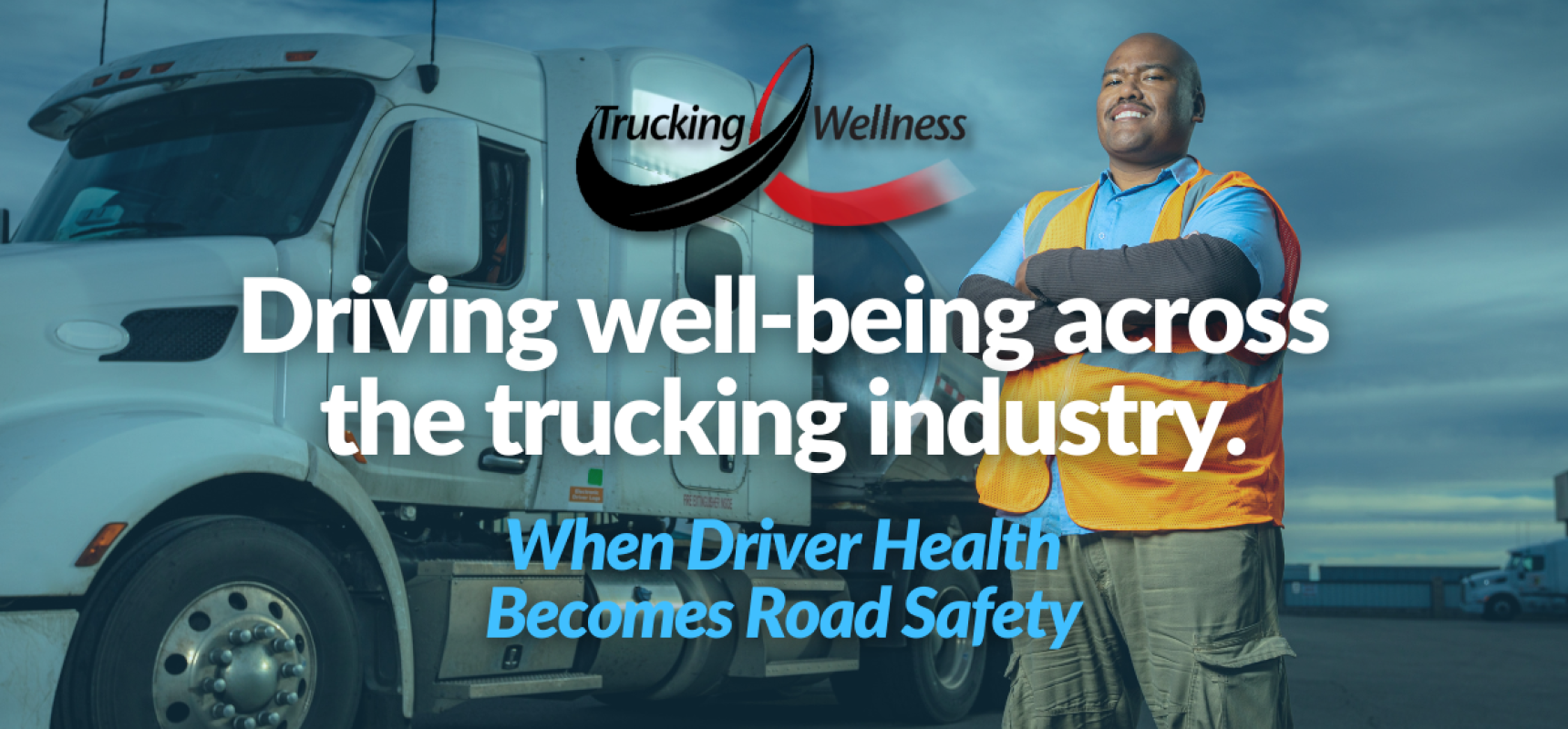
To help improve the health and well-being of truck drivers, N3TC has been supporting the Trucking Wellness programme, and the establishment and management of mobile healthcare clinics, and driver outreach programmes on the N3 Toll Route for more than two decades.
Since its inception in 1999, Trucking Wellness has been “driving the well-being of the industry”, ensuring that truck drivers and high-risk individuals in vulnerable and hard to reach communities in “HIV and TB high transmission areas or hot spots” along transport corridors in South Africa, have access to quality primary health care clinics along the N3.

In partnership with N3TC, five Trucking Wellness Clinics are strategically located along the N3 Toll Route. These facilities allow long-distance truck drivers, sex workers, their families and other community members, to access quality treatment for primary health concerns, without any related stigma. These clinics are further supported by mobile clinics which provide basic primary healthcare services to outlying communities adjacent to the N3 Toll Route. Together, they help to promote community participation and address the need for a non-gender-biased approach to healthcare within a broader socio-economic context.
Importantly, these clinics allow truck drivers and community members to receive treatment at no cost, and the facilities are open at times when most other clinics are closed.
Funding by N3TC contributes to the costs of essential medical supplies, including primary health medication and wellness consumables at five clinics on the N3 Toll Route.
These expenses represent a substantial portion of the wellness clinics’ operational costs and include test kits for HIV, cholesterol and glucose screening.
“We are very proud of these initiatives to deliver primary health services to the trucking industry. It offers a convenient and safe way for truck drivers to know and manage their health risks, and to limit the impact an untreated health condition may have on their careers and safe driving abilities,” says Tertius Wessels, managing director of Trucking Wellness.
“Thousands of truckers use the N3 every day, and their health and safety should be of great concern to all of us.”
The partnership between Trucking Wellness and N3TC ensures that appropriate access to effective primary healthcare interventions is within reach of some of the most vulnerable communities along the N3 Toll Route, and to the vital trucking community.
“Any incentive that leads to responsible behaviour in trucker performance will also have many unseen consumer benefits,” explains Thania Dhoogra, chief operating officer of N3TC, “and the efficiency of the treatment process offered by Trucking Wellness should be an added incentive for employers to encourage their truck drivers to stop at the conveniently located N3 Wellness Clinics, and to diarise the upcoming N3TC Driver Wellness Days this year.”
“Healthcare and disease management should be a top priority for all stakeholders in the road freight industry. Left undetected and untreated, chronic diseases, poor diets, long stressful working hours, and substance abuse can have disastrous consequences. Quality healthcare is essential, especially to truck drivers, and it is important that all stakeholders make the effort to ensure the accessibility thereof,” ends Ms Dhoogra.
