Smart Habits. Safer Journeys.
Research data consistently indicates that the majority of all crashes on the N3 Toll Route are the result of human error, whether attributed to negligent driving, poor decision-making, slow reactions, fatigue, or risk-taking.
As a result, N3TC, the company that manages the N3 Toll Route between Cedara in KwaZulu-Natal and Heidelberg in Gauteng, and its road safety partners implement various interventions to improve road safety along this key transport corridor, while encouraging road users to share the responsibility for improving safety along the route.
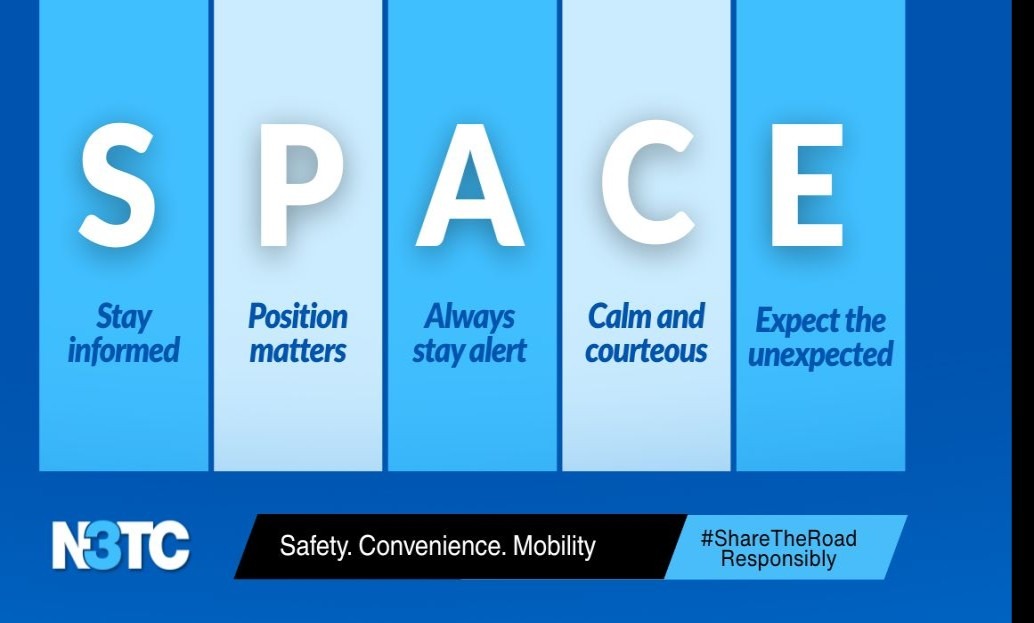
Road safety is often reduced to rules, regulations, and reactions. Obey the speed limit. Wear a seatbelt. Don’t use your phone. While these remain critically important, road safety involves more than compliance and enforcement. It is also about engineering, design, infrastructure maintenance, and upgrades, and it relies heavily on driver awareness, attitude, preparation, and personal responsibility. Simplistically, it’s about making SPACE.
Road safety begins with the right mindset and a willingness to adopt a defensive driving style that creates margins for safety well before danger appears. That’s the essence of SPACE: think ahead, remain patient, and create opportunities to make safer decisions.
“In this context, SPACE refers to the safety buffer around your vehicle, in your approach, and your actions. This gives you more options during emergencies, more time to react, and a better chance of protecting yourself and everyone around you,” explains Thania Dhoogra, chief operating officer of N3TC.
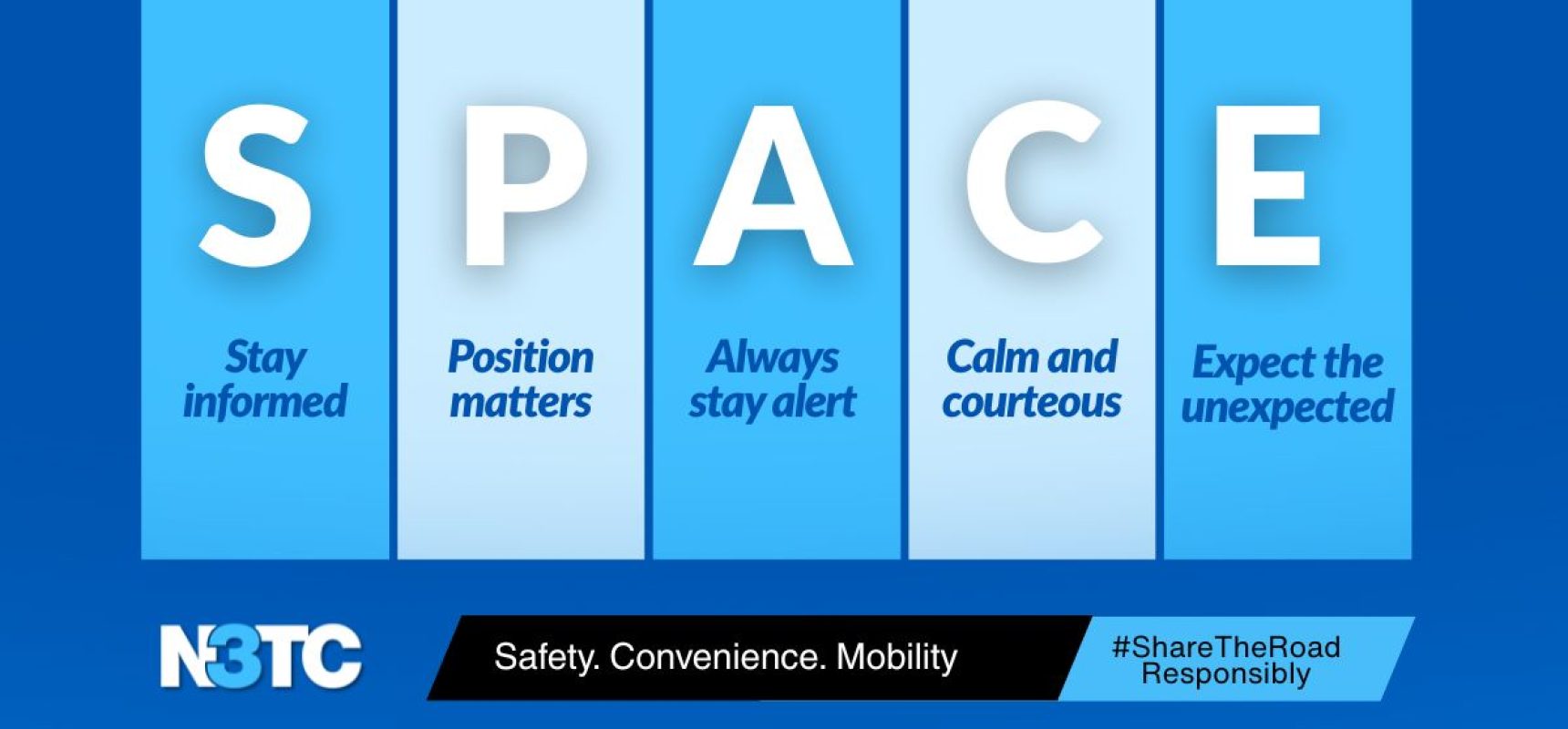
On busy national routes like the N3 Toll Route, where passenger vehicles, freight, public transport, and emergency services share the road, defensive driving becomes essential, and SPACE provides a vital principle for keeping all road users safe:
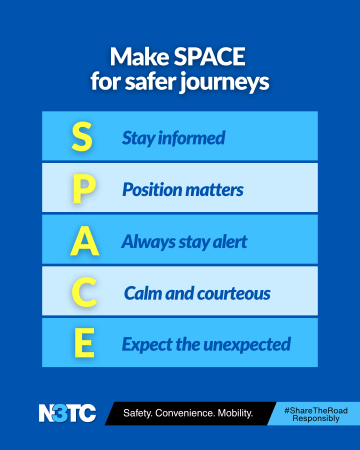
Stay informed
Safe journeys start before departure. Checking weather forecasts, traffic conditions, road closures, and route updates helps motorists prepare for changing conditions and avoid unnecessary stress on the road.
Traffic volumes, congestion, incidents, poor visibility, and adverse weather conditions can all affect driving conditions, safety, and travel times, particularly during peak travel periods.
Drivers who are well informed are generally better prepared to adapt calmly and safely when conditions change unexpectedly.
Position matters
Creating and maintaining a safe space around your vehicle is one of the most important principles of defensive driving.
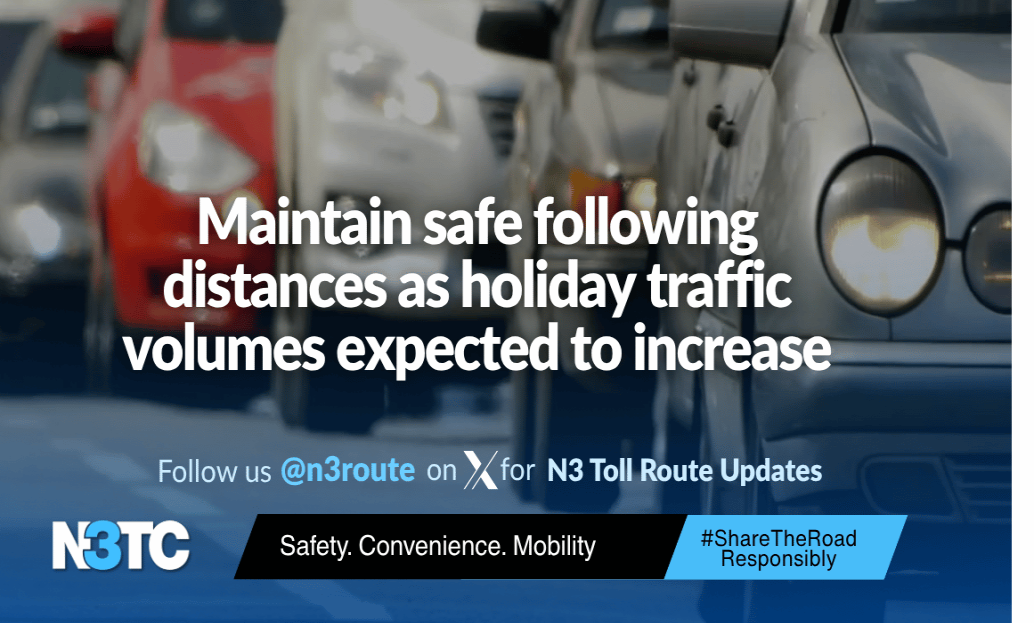
Following too closely, making sudden lane changes, and cutting sharply in front of other vehicles, especially trucks, reduces reaction time and significantly increases crash risks.
Trucks require longer stopping distances and cannot manoeuvre as quickly as smaller vehicles. Allowing sufficient following distance and avoiding driving in blind spots, especially those of trucks, are crucial safety practices for all road users.
Always stay alert
Fatigue and distractions contribute to thousands of crashes on South Africa’s roads.
Long-distance travel, night driving, demanding schedules, exhaustion, and driving under the influence of medication, drugs, or alcohol can reduce concentration and slow reaction times, often without drivers realising it.
Defensive driving requires continuous awareness of surrounding traffic, changing road conditions, and potential hazards.
N3TC encourages motorists to take regular rest breaks, stay hydrated, avoid distractions, and stop driving when they feel tired. Arriving safely at your destination is always more important than arriving quickly.
Calm and courteous
Patience and courtesy play an important role in road safety.
Aggressive driving, such as speeding, tailgating, harsh braking, unsafe overtaking, and road rage, increases stress levels and creates unnecessary danger for all road users.
Calm drivers generally make better decisions, respond more predictably, and contribute to a safer driving environment.
On the road, small acts of courtesy, such as allowing safe merging opportunities, maintaining safe following distances, and driving with consideration for fellow travellers, help reduce conflict and improve traffic flow.
Expect the unexpected
Road conditions can change rapidly and without warning. SPACE helps to preserve your options.
Crash incidents, roadworks, sudden congestion, poor weather, vehicle breakdowns, and reckless driving can all create dangerous and unexpected conditions. Defensive drivers understand that many risks are unpredictable, but by anticipating potential hazards before they become full-blown emergencies, many crashes can be avoided, or rendered less severe.
Always be prepared for any eventuality, remain alert, and be able to adapt swiftly to prevailing conditions. Contribute to safer journeys by allowing extra travel time, reducing speed in poor conditions, and remaining patient during traffic disruptions.
Safer roads begin with smart habits.
SPACE is N3TC’s appeal to motorists to adopt a positive mindset focused on awareness, preparation, and cooperation. On the road, SPACE is your survival tool.